
Have you ever finalized a shipment only to realize the trailer you booked won’t work? Perhaps your heavy machinery was too tall for an enclosed box, or your weather-sensitive materials were exposed on an open deck. Misunderstanding the difference between the most common trailer types is a leading cause of delays, costly re-bookings, and damaged freight.
This guide offers a comparison of two key trailer types: flatbeds and dry vans. It aims to equip logistics professionals, business owners, and shippers with the knowledge for profitable choices. The following sections will examine their structure, capacity, and ideal uses. It will also address commercial aspects, including renting, buying, and using cross-border carriers.
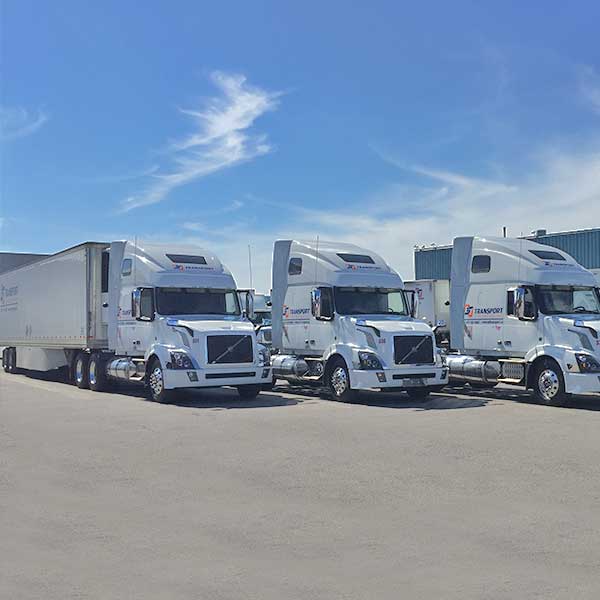
What is a Dry Van Trailer?
A dry van is the foundational equipment for general cargo logistics, defined as an enclosed box unit. Built typically with aluminum walls and durable hardwood floors, this core trailer type handles the largest share (around 70–80%) of all road freight.
Standard dry vans are usually 53 ft long, 102 inches wide, and have an interior height of about 110 inches, capable of handling a weight capacity of up to 45,000 lb. They are engineered for straightforward loading from the rear, typically via a standard loading dock or using a forklift.
Uses and Advantages of Dry Van Trailers
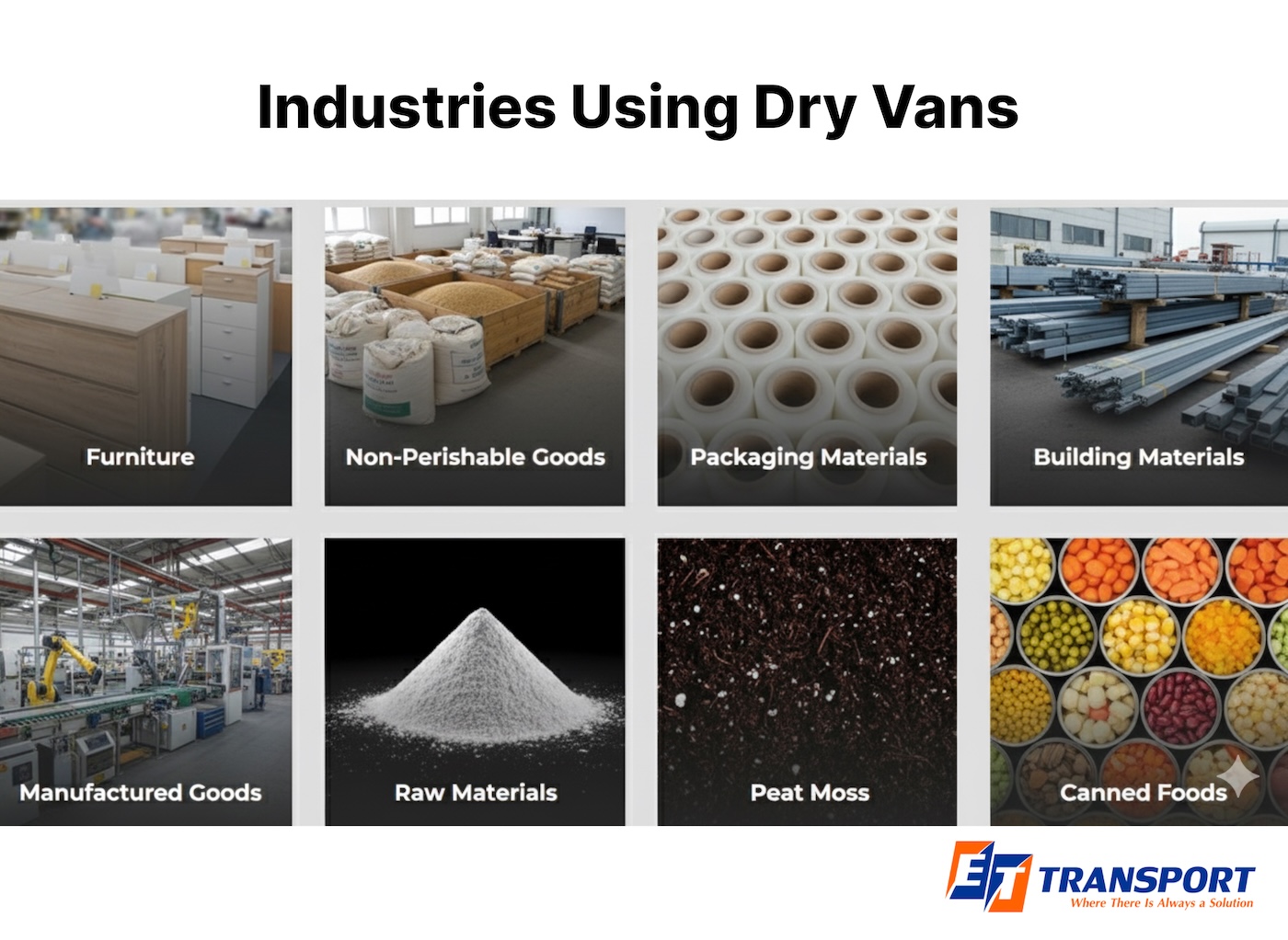
Dry vans are the default choice for almost everything that needs protection. They are ideal for canned foods, non-perishable goods, furniture, appliances, building materials, and any freight that is palletized or floor-loaded.
Their primary benefits revolve around security and accessibility:
These qualities are why dry van shipping is the backbone of the retail and consumer goods supply chain, perfectly suited for a vast range of dry van shipping products like electronics and manufactured goods.
Limitations of Dry Van Trailers
The enclosed structure that defines a dry van is also its greatest limitation.
What is a Flatbed Trailer?
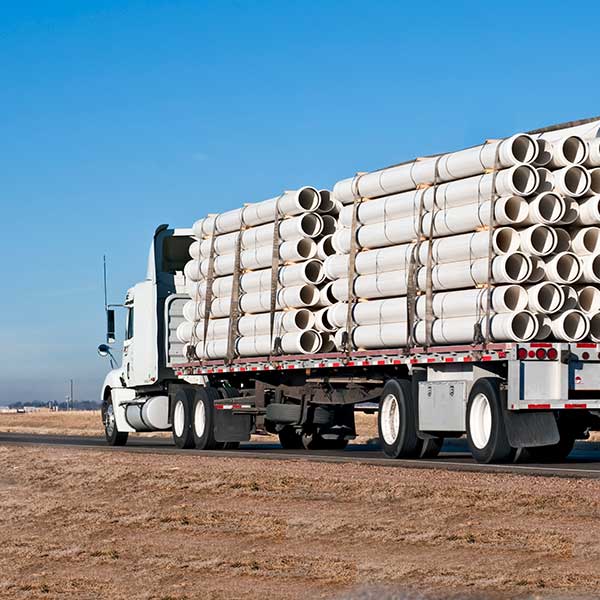
A flatbed trailer is an open, sturdy platform on wheels, a deck without sides or a roof. This design is specialized for loads that simply cannot fit into an enclosed box.
Flatbeds excel at hauling freight which are oversized, extremely heavy, or oddly shaped. Their 360-degree accessibility is a crucial feature, allowing cargo to be placed on the deck from the sides, rear, or, most importantly, from above using an overhead crane. Being lighter than vans, open-deck trailers can also contribute to improved fuel efficiency.
Typical flatbeds are 48–53 ft long, up to 102 inches wide, with deck heights around 58–62 inches. They generally offer a higher weight capacity than dry vans, up to 48,000 lb.
Uses and Advantages of Flatbed Trailers
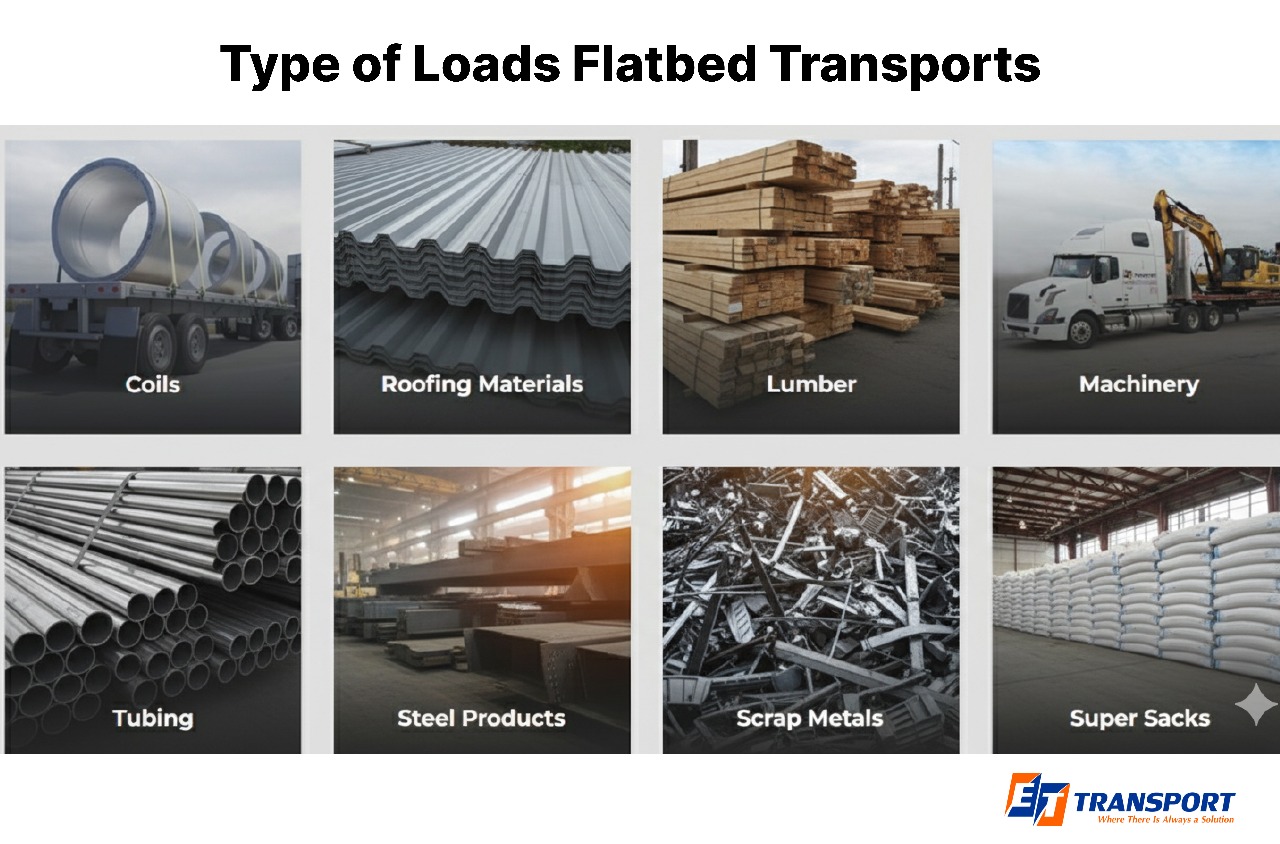
Flatbeds are indispensable for industrial, construction, and manufacturing sectors. They are the go-to trailer for moving:
The advantages of this open-deck design are unmatched for specialized freight:
Limitations of Flatbed Trailers
The primary drawback of the flatbed is the cargo’s exposure to the elements. Because the load is completely vulnerable to weather, shippers must plan for durable tarps and proper tie-downs. Furthermore, loading and restraining the cargo is more labor-intensive, requiring specialized load securement expertise and planning. Finally, you may face complex regulatory processes and permits for any load that is deemed oversize. Understanding these requirements is key to success in hazardous and specialized materials shipping.
Comparison: Flatbed vs Dry Van Trailers
Understanding which trailer is right for your freight requires a direct comparison. Here is a breakdown of the key differences:
| Aspect | Flatbed Trailers | Dry Van Trailers |
|---|---|---|
| Structure | Open deck, no walls or roof. | Fully enclosed box with solid walls. |
| Primary Access | Sides, rear, or overhead (via crane). | Rear loading dock access only. |
| Typical Cargo | Oversized, heavy, or irregular items (machinery, steel, pipe). | Palletized, boxed, or consumer goods (retail, electronics). |
| Protection | Cargo exposed; requires professional tarping and securement. | Fully enclosed; offers weather protection and theft security. |
| Size Limit | No roof height limitation; adaptable to irregular shapes. | Limited by fixed interior height and width. |
| Ease of Use | Requires specialized loading, tie-downs, and driver experience. | Simpler, widely available, compatible with standard docks. |
Choosing Between Flatbed and Dry Van Shipping
The decision of which trailer to use is critical and depends on five key factors:
1. Cargo Dimensions and Weight
- Flatbed: Necessary for freight that is irregular, large, exceptionally heavy, or exceeds the fixed dimensions of an enclosed trailer.
- Dry Van: Always best suited for standard boxes, pallets, and goods that fit within a conventional 53-foot enclosed space.
2. Protection and Value
- Dry Van: The superior choice if cargo must be protected from rain, snow, theft, or road debris.
- Flatbed: Requires shippers to confirm the cargo is weather-tolerant or ensure professional tarping and enhanced security measures will be utilized.
3. Loading Infrastructure
- Flatbed: Preferred when freight must be loaded from the side or above, typically requiring a crane, overhead hoist, or specialized forklift.
- Dry Van: Ideal when a shipment can be loaded directly from the rear using a standard loading dock.
4. Regulatory and Permitting
- Flatbed: Oversized dimensions often require special permits, route planning, and adherence to complex regulations, increasing logistical oversight.
- Dry Van: Standard dimensions generally avoid the need for special permits, streamlining the shipping process.
5. Cost and Labor
- Dry Van: It is the most cost-effective option for standard freight due to high availability and simple loading.
- Flatbed: While the trailer may be lighter, the labor required for specialized load securement and tarping adds to the overall cost of the shipment.
Renting and Buying Trailers in Canada
For Canadian businesses, fleet management requires a calculated approach to ownership.
- Flatbed Trailers for Rent: Renting is the ideal solution for seasonal work, temporary projects, or when you need specialized equipment like a step deck only occasionally. When considering renting flatbed trailers, always review the rental terms, insurance, and compliance with all of Ontario’s transportation safety regulations.
- Used Flatbed Trailers for Sale: Buying a used trailer can reduce capital costs and guarantee immediate availability. If you are exploring the market for used flatbed trailers for sale in Ontario, prioritize inspecting the structural components, securement points, and maintenance records. Ensure the trailer meets all current provincial safety standards before purchase.
- Dry Van Storage Trailers: Dry vans are frequently utilized as secure, weatherproof on-site storage. These durable dry van shipping containers can be dropped at a facility for temporary use. When renting or buying for storage, evaluate factors like ventilation, moisture control, and ease of door security.
Frequently Asked Questions
1. What is the difference between flatbed trailers and dry van trailers?
A flatbed is an open deck, allowing for overhead and side loading of oversized freight. A dry van is an enclosed box, loaded from the rear, providing full weather protection for standard palletized goods.
2. Which is better for long-haul trucking: flatbed or dry van?
Dry vans are generally preferred for long-haul routes when protection is the priority. Flatbeds are used when cargo size or shape dictates the need for an open deck, regardless of the distance.
3. How do I choose between flatbed shipping and dry van shipping?
The choice must be based on cargo size, weight, weather sensitivity, security needs, and loading access. Oversized or irregular freight requires a flatbed; standard palletized goods are best in a dry van.
4. Which trailer is more fuel-efficient, flatbed or dry van?
Flatbeds are structurally lighter and can be more fuel-efficient when empty. However, actual fuel efficiency depends more on load weight, trailer design (e.g., aerodynamics), and driving conditions.
5. What are the primary benefits of dry van shipping?
Dry van shipping’s benefits include total weather protection, superior cargo security, versatility for many product types, and generally cost-effective rates.
6. How can I find reliable shipping carriers in Ontario?
Research local carriers and evaluate them based on certifications, service quality, and customer reviews. Carriers like ET Transport and ET Motor Freight offer robust dry van and flatbed services. Compare options to find a company that meets your specific needs.
Conclusion
Flatbed and dry van trailers are not interchangeable; they are specialized tools serving different supply chain needs. Flatbeds provide the unmatched flexibility required for oversized and irregular loads, but demand specialized securement. Dry vans offer the enclosed protection and simplicity needed for the vast majority of consumer and retail goods. Consult a trusted transportation partner to ensure you select the perfect trailer for a safe, timely, and cost-effective shipment.
Ready to book a safe and reliable shipment across Canada or the USA? Request a Free Quote for your Dry Van or Flatbed Freight Today!