
Transporting beverages across Canada requires more than standard freight services-it demands specialized logistics, temperature control, and experienced handling. From soft drinks and bottled water to juices and alcoholic beverages, maintaining product quality during transit is critical for businesses across Ontario, the Greater Toronto Area (GTA), and cross-border supply chains.
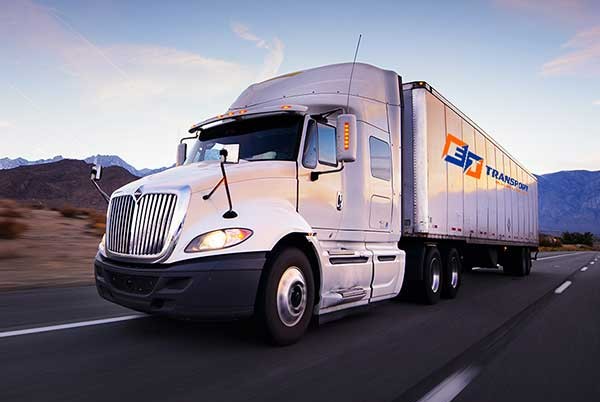
At ET Transport, we provide reliable, temperature-controlled trucking solutions designed to ensure your beverages arrive fresh, secure, and on schedule, no matter the distance.
Here are the five essential considerations every business should understand when transporting beverages by truck in Canada.
1. Choosing the Right Equipment for Beverage Transportation
The type of truck and equipment you use directly impacts product safety and delivery success.
- Refrigerated (reefer) trailers are essential for perishable beverages that require consistent temperature control
- Dry vans are suitable for shelf-stable products, but still need proper airflow and insulation
- Load stabilization tools, such as pallets, straps, and load bars, prevent cargo shifting during long hauls
For Canadian routes, especially between provinces or across the U.S. border, using the right equipment ensures beverages are protected from both environmental exposure and road conditions.
2. Maintaining Temperature Control Across Canadian Climate Zones
Temperature management is one of the biggest challenges in beverage logistics, particularly in Canada’s extreme seasonal conditions.
- Perishable beverages should typically be transported between 0°C and 4°C.
- Wines and spirits require stable conditions between 12°C and 18°C.
- Sudden exposure to freezing temperatures in winter or excessive heat in summer can compromise product integrity.
Modern fleets rely on real-time temperature monitoring, insulated trailers, and backup cooling systems to maintain consistent conditions across long-distance routes in Ontario and beyond.
3. Securing Loads and Using Durable Packaging
Beverages are highly vulnerable to damage during transport due to their liquid nature and packaging types. Key risks include:
- Breakage of glass bottles
- Pressure-related damage in carbonated drinks
- Leakage caused by shifting loads
To minimize these risks:
- Use reinforced packaging and protective inserts for fragile containers
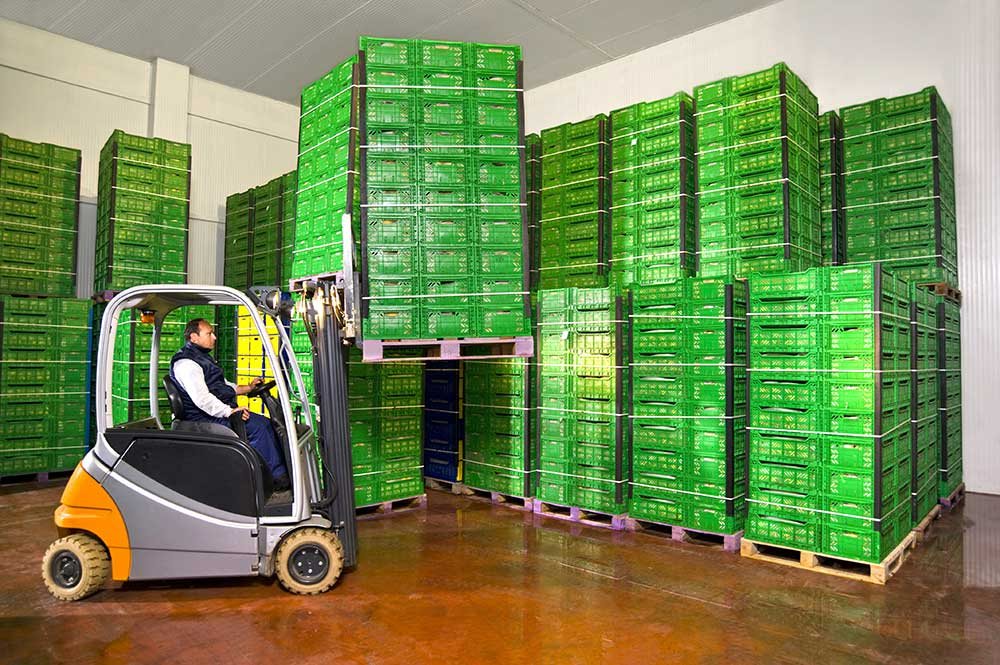
- Apply shrink wrap and palletization to keep loads stable
- Ensure proper weight distribution across the trailer
Secure packaging and load handling significantly reduce product loss and improve delivery reliability.
4. Strategic Route Planning for Safe and Timely Delivery
Efficient route planning is critical for both product safety and on-time delivery.
- Avoid rough roads, construction zones, and high-traffic areas
- Plan for seasonal weather conditions, especially snow and ice in Ontario winters
- Reduce transit time to maintain consistent temperature conditions
Advanced logistics providers use GPS tracking and real-time route optimization to improve delivery efficiency across the GTA and cross-border corridors.
5. Compliance, Safety Standards, and Skilled Drivers
Beverage transportation in Canada requires compliance with safety and regulatory requirements. Key considerations include:
- Compliance with federal and provincial transportation regulations
- Special handling and documentation for alcohol shipments
- Adherence to weight limits and safety standards
- Proper training in handling fragile and temperature-sensitive goods
Experienced drivers play a crucial role in ensuring smooth transportation, reducing risks associated with handling, driving conditions, and regulatory compliance.
Why Beverage Transportation Requires Specialized Logistics in Canada
The beverage industry depends on consistent quality, safety, and timely delivery. Any failure in transportation can lead to:
- Product spoilage or contamination
- Financial losses from damaged goods
- Delays in retail or distribution supply chains
- Negative impact on brand reputation
That’s why businesses across Ontario and Canada rely on specialized carriers with temperature-controlled fleets and proven logistics expertise.
Why Choose ET Transport for Beverage Shipping in Canada
At ET Transport, we understand the unique challenges of beverage logistics across Canada and cross-border routes. Our capabilities include:
- Modern temperature-controlled fleet reefer trailers
- Real-time shipment tracking and monitoring
- Experienced drivers trained in safe beverage handling
- Reliable coverage across Ontario, the GTA, and North America
We help ensure your beverages arrive on time, intact, and in optimal condition-every time.
Bottom Line
Transporting beverages safely requires a combination of the right equipment, strict temperature control, secure packaging, and expert logistics planning.
By focusing on these five essential considerations, businesses can reduce risks, maintain product quality, and improve overall supply chain efficiency across Canada.
Reach out to us for a shipping quote to transport beverages in Canada.
Frequently Asked Questions (FAQs)
What is the safest way to transport beverages by truck in Canada?
The safest method involves using temperature-controlled trailers, secure packaging, and trained drivers to maintain product integrity throughout transit.
Do all beverages require refrigerated transportation?
No. Only temperature-sensitive beverages require refrigerated trucks. Shelf-stable products can be transported in dry vans with proper precautions.
How does Canadian weather impact beverage transportation?
Extreme cold and heat can affect beverage quality, making temperature control and insulated transport essential, especially during winter and summer.
What is cold chain logistics in beverage transportation?
Cold chain logistics refers to maintaining a consistent temperature throughout the entire transportation process to prevent spoilage and preserve quality.