
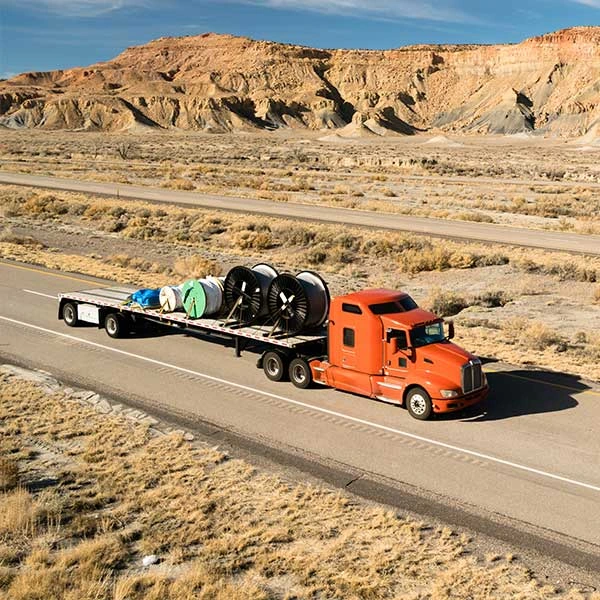
The cheapest way to ship heavy items across Canada depends on the shipment’s size, weight, and destination. In most cases, LTL shipping is the most cost-effective option for smaller freight, while FTL shipping offers better value for larger loads that require an entire trailer. Oversized or unusually shaped freight may require flatbed transportation.
Shipping heavy items across Canada isn’t a one-size-fits-all solution. Freight costs vary based on shipment dimensions, distance, freight class, fuel surcharges, and any additional handling or delivery requirements.
This guide explains how freight shipping costs are calculated, compares common shipping methods, and shares practical ways to lower transportation expenses across Canada.
What Determines the Cost of Shipping Heavy Items in Canada?
1. Shipment Weight and Dimensions
Weight is one of the biggest factors affecting freight pricing, but dimensions matter just as much.
A lightweight shipment that occupies a large amount of trailer space can cost more than a heavier shipment with a compact footprint. Before requesting a Canada freight shipping quote, accurately measure:\
Providing accurate measurements helps prevent unexpected pricing adjustments after pickup.
2. Shipping Distance
Longer routes generally result in higher transportation costs.
For example, shipping freight from Toronto to Montreal will usually cost less than moving the same shipment from Ontario to British Columbia due to the greater distance and transit time.
3. Freight Class
Freight class is commonly used for LTL shipping and reflects the shipment’s density, handling requirements, value, and liability.
Freight with higher classifications typically costs more because it requires additional care or occupies trailer space less efficiently.
4. Pickup and Delivery Requirements
Additional services can increase freight shipping costs, including:
Knowing these requirements in advance helps carriers provide more accurate pricing.
5. Fuel Surcharges and Seasonal Demand
Freight rates change throughout the year. Fuel prices, carrier capacity, weather conditions, and seasonal shipping demand all influence freight shipping costs in Canada.
During busy shipping periods, rates often increase as available truck capacity becomes limited.
Cheapest Way to Ship Heavy Items Across Canada Based on Shipment Size
The most affordable shipping option depends largely on how much freight you’re moving.
|
Shipment Size |
Recommended Shipping Method |
|
Under 500 lbs |
Parcel shipping or LTL |
|
500–10,000 lbs |
LTL shipping |
|
10,000–45,000 lbs |
|
|
Oversized or specialized freight |
Flatbed shipping |
For oversized or irregular freight, flatbed shipping for heavy items is often the safest and most practical option.
LTL vs FTL Shipping Cost in Canada
One of the most common questions businesses ask is whether LTL or FTL shipping offers better value. The answer depends on your shipment size, delivery timeline, and handling requirements.
|
Feature |
LTL Shipping |
FTL Shipping |
|
Pricing |
Pay only for trailer space used |
Pay for the entire trailer |
|
Best For |
Smaller freight shipments |
Large shipments |
|
Transit Time |
Longer |
Faster |
|
Handling |
Multiple terminals |
Minimal handling |
|
Flexibility |
High |
Best for dedicated freight |
When LTL Shipping is the Better Choice
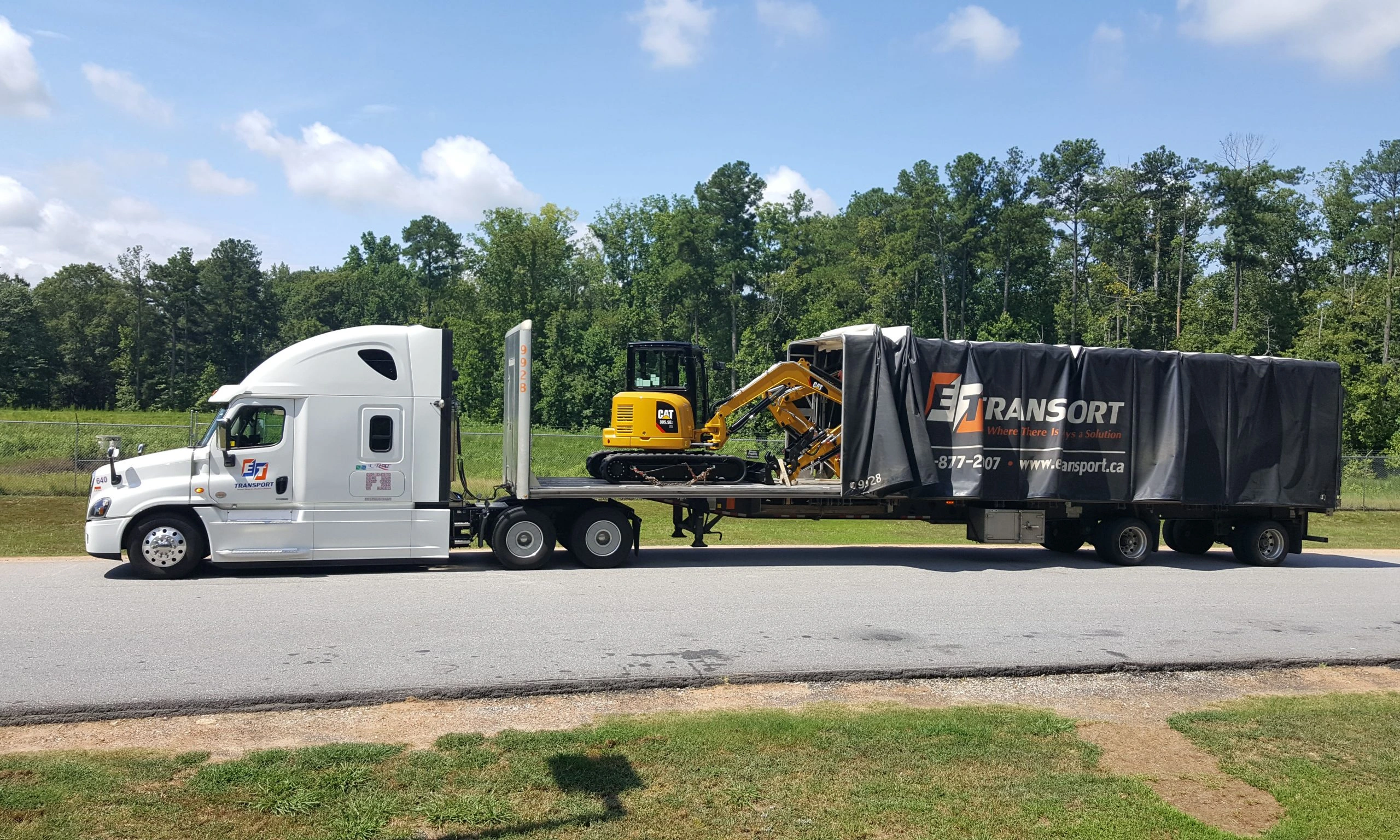
LTL shipping in Canada is usually the cheapest option when your freight doesn’t require a full trailer.
It works well for:
Because multiple businesses share trailer space, transportation costs are divided amongst several shipments, making LTL freight rates in Canada more affordable.
When Full Truckload Shipping Makes More Sense
The full truckload shipping cost in Canada depends on factors such as the route, distance, trailer type, fuel prices, and current carrier capacity.
Full truckload shipping is ideal when:
Although the upfront cost is higher, FTL often delivers better value for larger shipments because the freight stays on one truck from pickup to delivery.
Freight Shipping Cost Comparison in Canada
Freight prices vary depending on shipment characteristics, equipment, and distance. The table below provides general pricing estimates for common freight services within Canada.
|
Shipping Service |
Estimated Cost |
Best For |
|
LTL Shipping |
$0.25–$0.55 per lb |
Small to medium shipments |
|
FTL Shipping |
$2.00–$3.75 per mile |
Full trailer loads |
|
Flatbed Shipping |
Varies by equipment |
Oversized freight |
|
Heavy Haul |
Project-based pricing |
Industrial equipment |
|
Premium pricing |
Urgent shipments |
Actual freight shipping costs in Canada vary depending on shipment weight, distance, fuel surcharges, and market conditions.
Practical Ways to Reduce Freight Shipping Costs
Reducing transportation costs isn’t always about finding the cheapest carrier. Small improvements in planning can significantly lower your overall freight expenses.
1. Consolidate Smaller Shipments
Shipping multiple smaller loads separately often costs more than shipping them as a single, larger shipment.
Consolidation improves trailer utilization and reduces the cost per pallet.
2. Ship on Flexible Dates
Freight rates fluctuate based on available capacity.
Businesses with flexible pickup or delivery windows often have access to lower freight rates than those requiring immediate transportation.
3. Package Freight Efficiently
Proper packaging reduces wasted trailer space and helps prevent freight damage.
Whenever possible:
Efficient packaging can improve shipment density and lower transportation costs.
4. Provide Accurate Shipment Information
Incorrect shipment details frequently result in unexpected charges.
Before requesting a freight quote, confirm:
Accurate information allows carriers to provide reliable pricing.
5. Compare Freight Shipping Rates
Every carrier uses different pricing models.
Comparing freight shipping rates in Canada allows businesses to evaluate transit times, available equipment, and overall transportation costs before booking a shipment.
Bottom Line
The cheapest way to ship heavy items across Canada depends on your shipment size, destination, and delivery requirements. Choosing the right freight solution, providing accurate shipment information, and comparing transportation options can significantly reduce overall shipping costs.
If you’re looking for affordable freight shipping across Canada, ET Transport offers reliable LTL, FTL, and specialized freight solutions. Get a freight quote today and compare shipping options for your next load.
Frequently Asked Questions
1. What is the cheapest way to ship heavy items across Canada?
LTL shipping is generally the most affordable option for smaller freight shipments, while full truckload shipping offers better value for larger loads that occupy most of a trailer.
2. How much does it cost to ship a heavy item in Canada?
Freight shipping costs vary depending on shipment weight, dimensions, distance, freight class, and required services. Requesting a freight quote is the best way to receive accurate pricing.
3. How are freight shipping costs calculated in Canada?
Carriers calculate freight costs based on shipment weight, dimensions, freight class, pickup and delivery locations, equipment requirements, and current market conditions.
4. How can businesses reduce freight shipping costs in Canada?
Businesses can lower shipping costs by consolidating shipments, improving packaging, providing accurate shipment information, comparing freight quotes, and choosing the most suitable shipping method.
5. Is LTL cheaper than full truckload shipping?
Yes. LTL shipping is usually cheaper for smaller shipments because businesses pay only for the trailer space they use. FTL becomes more cost-effective once freight is large enough to fill most or all of the trailer.