
Canada’s freight industry continues to play a critical role in the country’s economy. According to Mordor Intelligence, the Canadian road freight transport market is expected to grow from USD $42.07 billion in 2025 to USD $43.87 billion in 2026, reflecting the increasing volume of goods moving across the country.
As freight volumes grow, so do transportation risks. Verisk CargoNet reported that estimated cargo theft losses across the United States and Canada surged to nearly $725 million in 2025, a 60% increase from the previous year.
Cargo insurance helps protect businesses from financial losses when goods are damaged, stolen, or lost during transit.
In this guide, we’ll explain what cargo insurance is, what it covers, how much it costs in Canada, and when businesses should consider purchasing it.
What is Cargo Insurance?
Cargo insurance is a type of insurance that protects goods during transport by road, rail, air, or sea. It reimburses the cargo owner for covered losses, including theft, fire, collision damage, weather-related damage, accidental loss, and other transportation risks.

Cargo insurance may also be called:
Although these terms can have slightly different meanings depending on the policy, they all generally refer to protecting the value of goods while they move through the supply chain.
For Canadian businesses, cargo insurance can apply to:
The main purpose is simple: if something happens to your shipment, your business does not have to absorb the entire financial loss.
Cargo Insurance vs Carrier Liability: What’s the Difference?
One of the biggest misconceptions among shippers is that carrier liability offers the same protection as cargo insurance. It does not.
Carrier liability is the transportation company’s legal responsibility for freight while it is in the carrier’s possession. However, carrier liability is usually limited. In many cases, compensation is based on the weight of the shipment rather than its actual value. The carrier may also only be responsible if negligence can be proven.
Cargo insurance, on the other hand, is designed to protect the shipper or cargo owner. It can cover the shipment’s declared value and may apply to a broader range of risks.
|
Feature |
Cargo Insurance |
Carrier Liability |
|
Protects the shipper’s financial interest |
Yes |
Limited |
|
Based on shipment value |
Usually yes |
Often weight-based |
|
Covers full cargo value |
Often yes, depending on limits |
Usually no |
|
Requires proof of carrier negligence |
Usually no |
Usually yes |
|
Covers theft |
Often yes |
Limited |
|
Covers weather-related damage |
Often yes |
Often excluded |
|
Claims process |
Generally more direct |
Can be longer and disputed |
|
Best for |
Shippers and cargo owners |
Carriers |
Table of Contents: Cargo Insurance Vs Carrier Liability
Types of Cargo Insurance in Canada
1. All-Risk Cargo Insurance

All-risk cargo insurance provides broad protection for shipments. It typically covers most accidental physical losses or damage unless a specific exclusion applies. Common covered risks may include:
This is often the preferred option for businesses that ship valuable goods or move freight regularly.
2. Named Perils Cargo Insurance
Named perils insurance covers the risks specifically listed in the policy. Examples may include:
If a loss occurs because something is not listed in the policy, the claim may not be covered. Named perils coverage is usually narrower than all-risk coverage and may be less expensive.
3. Single-Shipment Cargo Insurance
Single-shipment cargo insurance covers one specific load. This option is useful for:
Coverage usually begins when the shipment is picked up and ends when it reaches the destination.
4. Motor Truck Cargo Insurance
Motor truck cargo insurance is primarily designed for trucking companies. It protects carriers when freight in their care, custody, and control is lost, damaged, or stolen during transportation.
Many shippers and freight brokers require carriers to have motor truck cargo insurance before assigning loads. For trucking companies, motor truck cargo insurance in Canada is an important part of operating responsibly and winning freight business.
What Does Cargo Insurance Cover?
Cargo insurance coverage varies by policy, but most policies are designed to protect goods against common transportation risks.
|
Coverage Type |
Examples |
|
Cargo Theft |
Theft, hijacking, stolen trailers, warehouse theft |
|
Cargo Damage |
Collision damage, handling damage, forklift damage, and fire damage |
|
Weather Events |
Floods, snowstorms, wildfires, lightning, and high winds |
|
Accidental Loss |
Truck rollovers, rail derailments, vessel accidents |
|
Temporary Storage |
Goods stored at warehouses, terminals, or freight facilities |
Note: Coverage varies by insurer and policy. Always review policy exclusions, coverage limits, and deductibles before purchasing cargo insurance.
How Much Does Cargo Insurance Cost in Canada?
Cargo insurance cost in Canada depends on the shipment value, commodity type, route, mode of transport, and level of coverage. The cost of shipping insurance in Canada is generally calculated using the same factors.
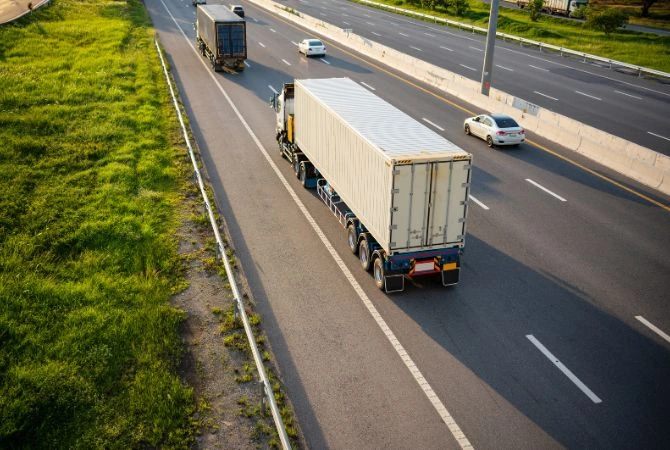
As a general estimate, cargo insurance premiums may range from about 0.3% to 0.5% of the declared shipment value, though higher-risk shipments may cost more.
Factors That Affect Cargo Insurance Cost
Insurance providers may consider:
For example, shipping CAD $100,000 worth of electronics across the Canada–U.S. border will usually cost more to insure than shipping CAD $10,000 worth of low-risk industrial supplies within Ontario.
|
Shipment Value |
Estimated Premium at 0.3% |
Estimated Premium at 0.5% |
|
$10,000 |
$30 |
$50 |
|
$25,000 |
$75 |
$125 |
|
$50,000 |
$150 |
$250 |
|
$100,000 |
$300 |
$500 |
|
$250,000 |
$750 |
$1,250 |
Compared to the potential cost of a lost or damaged shipment, cargo insurance is often a relatively small investment.
Who Needs Cargo Insurance?
1. Cargo Insurance for Shippers
Cargo insurance for shippers is especially useful for businesses transporting:
If a single damaged shipment could create a major financial setback, cargo insurance should be considered.
2. Cargo Insurance for Freight Shipments
Cargo insurance for freight shipments is often recommended for:
The higher the cargo value and the more complex the route, the more important coverage becomes.
3. Cargo Insurance for Trucking Companies
For trucking companies, motor truck cargo insurance helps protect against liability when customer freight is damaged, stolen, or lost while in their possession.
This type of truck cargo insurance coverage can also help carriers meet shipper and broker requirements, qualify for more freight opportunities, and demonstrate professionalism.
How Cargo Insurance Claims Work
Step 1: Notify the Insurance Provider

As soon as damage or loss is discovered, notify the insurance provider. Provide the date, time, location, type of incident, and estimated value of the loss.
Step 2: Preserve Evidence
Take photos and videos of the damaged cargo, packaging, container, trailer, and delivery condition. Avoid discarding damaged goods or packaging until the insurer confirms what is required.
Step 3: Gather Supporting Documents
The insurance company will usually request documentation to verify the shipment, cargo value, and damage.
|
Document |
Purpose |
|
Confirms shipment details and carrier information. |
|
|
Commercial Invoice |
Establishes the cargo value. |
|
Delivery Receipt |
Shows delivery condition and notes visible damage. |
|
Packing List |
Confirms what was included in the shipment. |
|
Inspection Report |
Documents the extent of damage. |
|
Police Report |
Supports theft or accident claims when applicable. |
|
Supports cross-border and international shipment documentation |
Step 4: Submit the Claim
Submit the claim form with supporting evidence. Include the type of cargo, value of the claim, description of the incident, and all required documents.
Step 5: Work With the Adjuster
The insurer may assign an adjuster to review the claim. Respond quickly to requests for additional information to avoid delays.
Bottom Line
Cargo insurance provides an added layer of protection against theft, damage, and other transit-related risks.
Whether you refer to it as cargo insurance or freight insurance, the goal remains the same: safeguarding the value of your freight and reducing potential financial losses.
Contact ET Transport today to discuss your shipping requirements and request a customized freight quote.
Frequently Asked Questions
1. What is cargo insurance in Canada?
Cargo insurance in Canada is coverage that protects businesses from financial loss when goods are damaged, stolen, or lost during transportation by truck, rail, air, or sea.
2. How much does cargo insurance cost in Canada?
Cargo insurance cost in Canada often ranges from 0.3% to 0.5% of the declared cargo value, though rates vary by shipment value, commodity, route, claims history, coverage limits, and deductible.
3. Does cargo insurance cover theft?
Yes, many cargo insurance policies cover theft, subject to policy terms, exclusions, and documentation requirements.
4. Does cargo insurance cover damaged freight?
Yes, cargo insurance can cover damaged freight when the damage is caused by a covered event, such as collision, fire, theft, weather damage, or handling damage. Coverage depends on the policy.
5. Do I need cargo insurance for LTL shipping?
Cargo insurance is often recommended for LTL shipping because LTL freight usually passes through more handling points, and carrier liability may be limited.
6. Do I need cargo insurance for cross-border shipping between Canada and the USA?
Yes, cargo insurance is strongly recommended for many Canada–USA cross-border shipments, especially high-value, temperature-sensitive, fragile, or time-sensitive freight.
7. Who pays for cargo insurance, the shipper or carrier?
Usually, the shipper or cargo owner purchases cargo insurance to protect their goods. However, responsibility can depend on the contract, shipping terms, or Incoterms for international shipments.