
Cross-border shipping from Canada to the US typically costs anywhere from $20 for small parcels to $5,000 or more for full truckload freight. The real cost goes beyond shipping rates and includes customs fees, duties, and brokerage charges that now apply to almost every shipment.
As of August 29, 2025, the United States removed its duty-free threshold. This means shipping from Canada to US customs applies to nearly all shipments, including low-value packages that were previously exempt.
Your final cost depends on product classification, declared value, country of origin, and the shipment’s structure. These factors directly impact customs fees shipping from Canada to the US and determine whether your shipment clears smoothly or gets delayed.
This guide breaks down exactly what you’ll pay, how customs works, and how to reduce your total cross-border shipping cost without unnecessary fees or delays.
How Cross-Border Shipping Actually Works
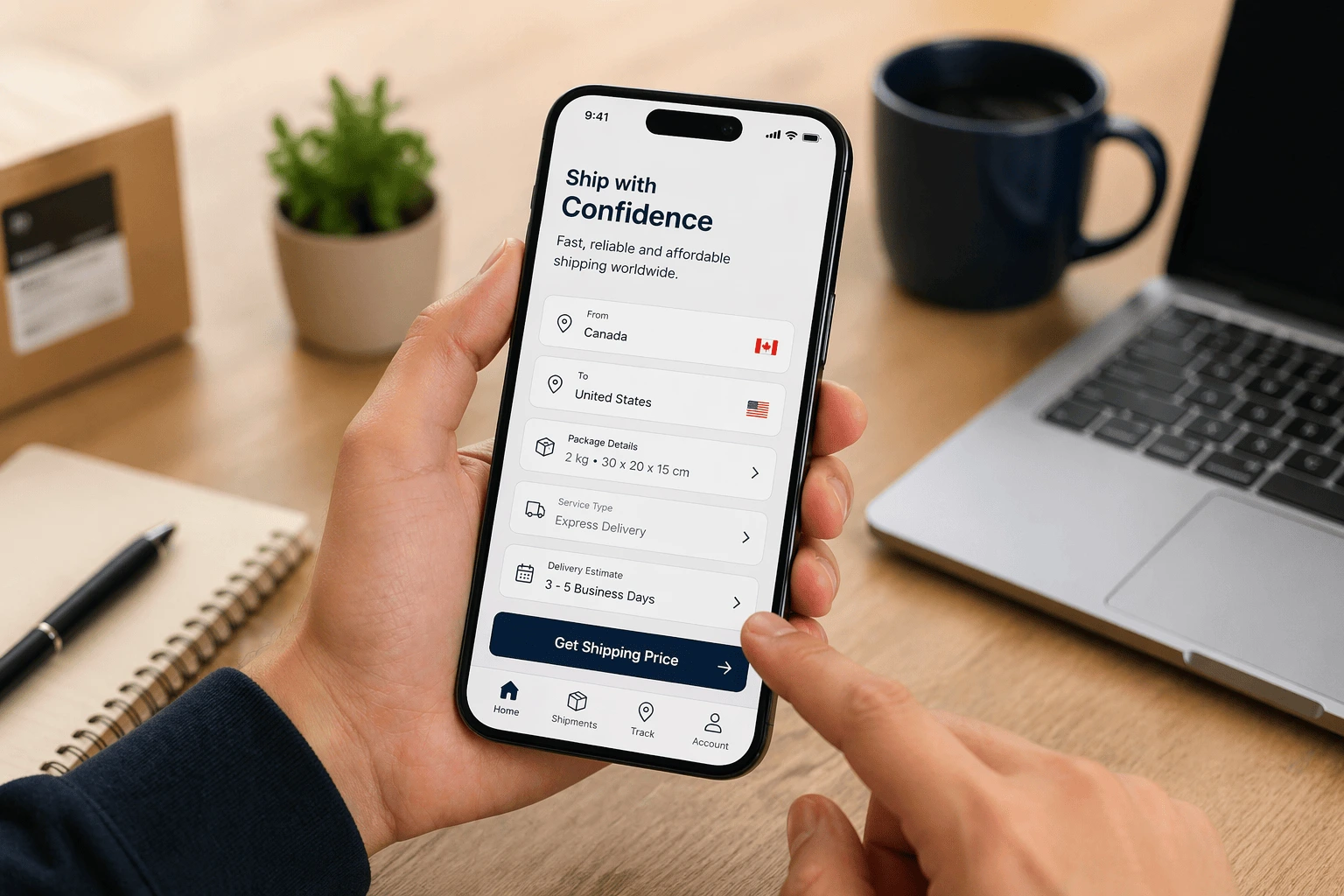
Cross-border shipping from Canada to the US involves more than transportation. Every shipment moves through three stages:
1. Export from Canada
The shipment is prepared with documentation, including a commercial invoice, product details, and declared value.
2. US Customs Clearance
U.S. Customs reviews the shipment, verifies classification and value, and applies duties and fees where required.
3. Final Delivery
Once cleared, the shipment is released for delivery to the final destination.
Shipping from Canada to the US customs is driven by data accuracy. Errors in classification, declared value, or documentation can lead to delays or higher customs fees.
Cost Breakdown For Cross-Border Shipping
1. Shipping Cost
Shipping cost is driven by weight and dimensions, distance, service speed, and carrier type. Ground shipping is typically the lowest cost option, while express services offer faster delivery at a higher price. Shipping cost varies by size, weight, and service level.
|
Shipment Type |
Cost Range |
|
Small parcel |
$20 to $55 |
|
Courier express |
$45 to $140+ |
|
Small furniture |
$100 to $500 |
|
LTL freight |
$300 to $800 |
|
Full truckload |
$1500 to $5000+ |
2. Customs Fees
Customs fees can exceed shipping costs if the HS classification or country of origin is incorrect. Customs fees apply to almost every shipment. They are calculated based on:
|
Category |
Duty Range |
|
CUSMA-qualified goods |
0% |
|
Most standard goods |
2.5% to 6% |
|
Restricted or high-tariff goods |
Up to 30%+ |
3. Brokerage Fees
Brokerage fees are charged to process customs clearance.
|
Provider |
Typical Fee |
|
Canada Post |
~$9.95 |
|
UPS or FedEx |
$10 to $50+ |
|
Customs broker |
$15 to $50 |
These are charged just to process paperwork.
4. Extra Charges You Don’t See Coming
This is where total landed cost increases beyond expectations. These costs are often missed in initial estimates:
Shipping from Canada to US Customs: What You Must Submit
Shipping from Canada to the US customs is documentation-driven. Weak or incomplete paperwork leads to delays, reclassification, and higher fees.

Minimum Required Documents
For duty savings:
Compliance Programs That Speed Up Clearance
Working with compliant carriers can reduce inspection delays and improve clearance speed:
US to Canada Shipping: Cost and Customs Differences
Shipping from the US to Canada follows a different cost and tax structure. Customs charges for shipping from the US to Canada are based on shipment value and carrier type.
For postal shipments, the duty-free threshold drops to $20, increasing the likelihood of additional charges. As a result, the total landed cost depends heavily on shipment value and carrier choice.
Shipping Methods That Change Your Cost Structure
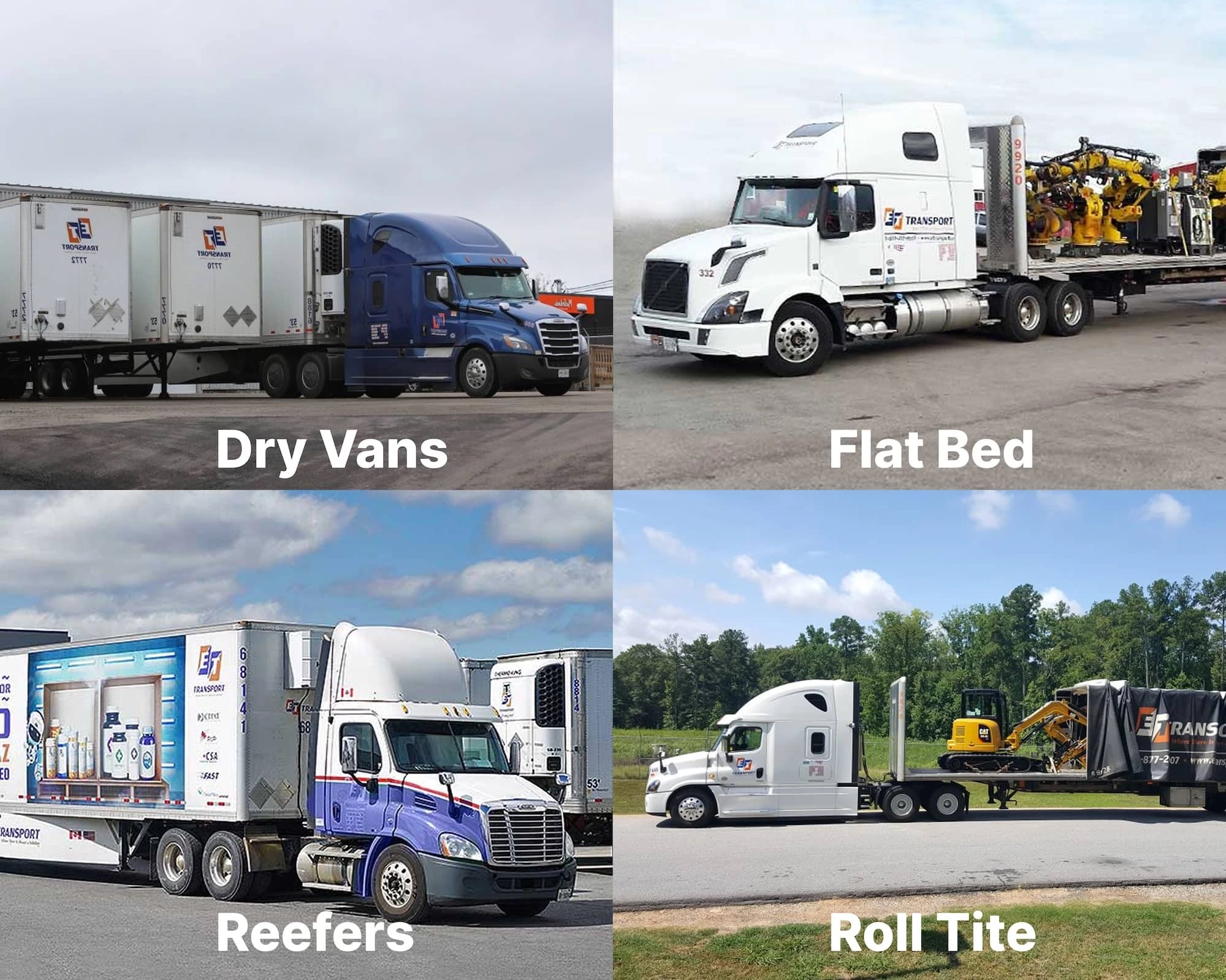
Different freight types require different equipment and shipping methods. Choosing the right option directly affects cost, transit time, and border risk.
Using the right trailer type ensures cargo safety, reduces risk, and helps avoid border delays.
Cross-Border Shipping Cost Optimization
Fix Your Data First
You can find the correct HS code using tools from the Government of Canada or the U.S. International Trade Commission. This reduces duty errors, delays, and reprocessing fees.
Choose the Right Incoterms
Incoterms define who controls the shipment and who pays at each stage. The key decision is between:
|
Incoterm |
Who Pays Duties |
Seller Control |
When to Use |
|
DAP |
Buyer |
Low |
B2B, cost-sensitive shipments |
|
DDP |
Seller |
High |
eCommerce, customer-first brands |
Use CUSMA Properly
CUSMA allows duty-free shipping between Canada and the US, but only if your product meets the rules of origin requirements.
If your product qualifies, the duty is 0%.
If it does not qualify, full tariffs apply based on HS classification.
To use CUSMA correctly:
Missing or incorrect documentation removes eligibility and triggers full duties.
Challenges of Cross-Border Shipping

Navigating cross-border shipping comes with its fair share of challenges and complexities. Some challenges you should be prepared for are:
For a deeper breakdown of these challenges and how they are handled in real-world operations, see this guide on navigating cross-border logistics.
Conclusion
Cross-border shipping from Canada to the US requires more than moving goods across the border. It depends on how well you manage documentation, customs compliance, cost structure, and freight decisions.
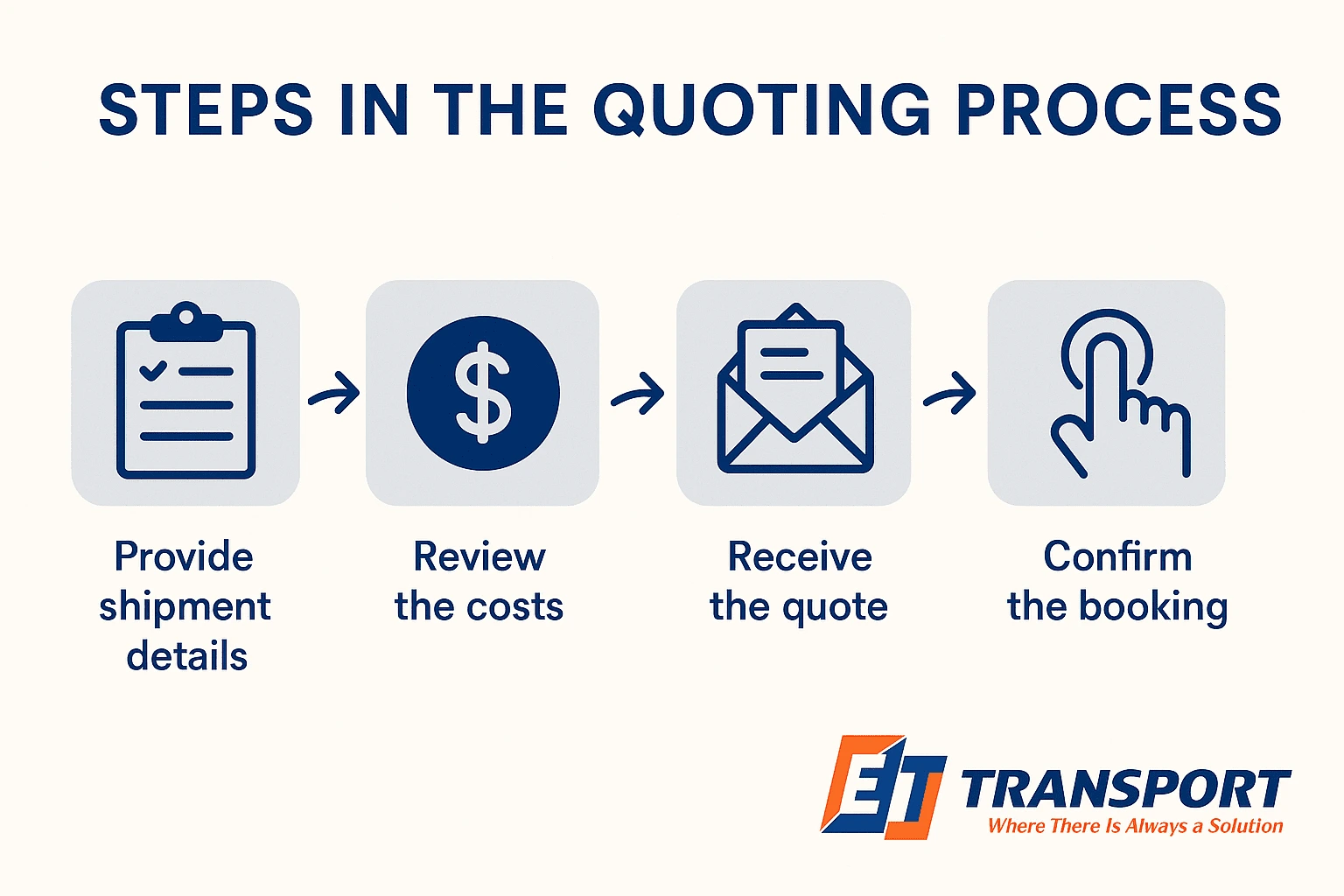
Contact ET Transport to get a tailored quote and a clear plan for your cross-border shipments. With the right execution, you can reduce delays, control costs, and keep your supply chain running smoothly.
Frequently Asked Questions
1. How much does it cost to ship from Canada to the US?
Shipping from Canada to the US typically costs between $20 and $55 for small parcels and $45 to $140 or more for courier services. Larger shipments increase significantly, with LTL freight ranging from $300 to $800 and full truckload shipments exceeding $1,500.
2. How much does shipping cost from the US to Canada?
Shipping from the US to Canada usually ranges from $19 to $34 for economy courier services and $42 to $88 for priority services, depending on speed and weight. However, the total cost also includes Canadian taxes and potential duties, which apply based on shipment value and carrier type, especially for items above $150.
3. What is the role of HS codes in cross-border shipping?
HS codes classify goods and determine applicable duties and taxes. Incorrect HS codes can lead to fines, overpayment, or shipment holds at the border.
4. How to avoid customs fees from Canada to the US?
Customs fees cannot be fully avoided, but they can be reduced by using CUSMA for duty-free trade, ensuring correct HS classification, declaring accurate product value, and providing complete documentation.