
Shipping decisions directly impact cost, delivery timelines, and overall supply chain efficiency. One of the most important decisions businesses face is choosing between LTL vs FTL freight.
LTL freight is more cost-effective for smaller shipments where paying for a full truck is unnecessary. As shipment size increases, FTL freight becomes a better option by lowering per-unit costs and improving delivery speed.
This guide breaks down FTL vs LTL freight in a practical way to help you choose the right option.
What is FTL vs LTL Shipping?
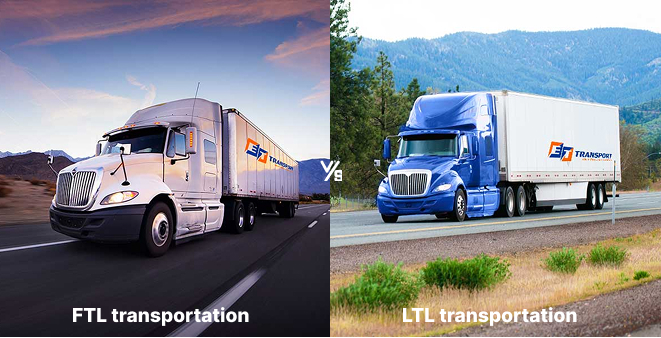
Less Than Truckload Shipping (LTL)
Less-than-truckload shipping services combine multiple shipments into a single truck. You pay only for the space your freight occupies, making LTL freight attractive for smaller loads.
However, LTL freight moves through a network of terminals where it is consolidated and redistributed. This results in multiple stops, longer transit times, and more handling.
Full Truckload Shipping (FTL)
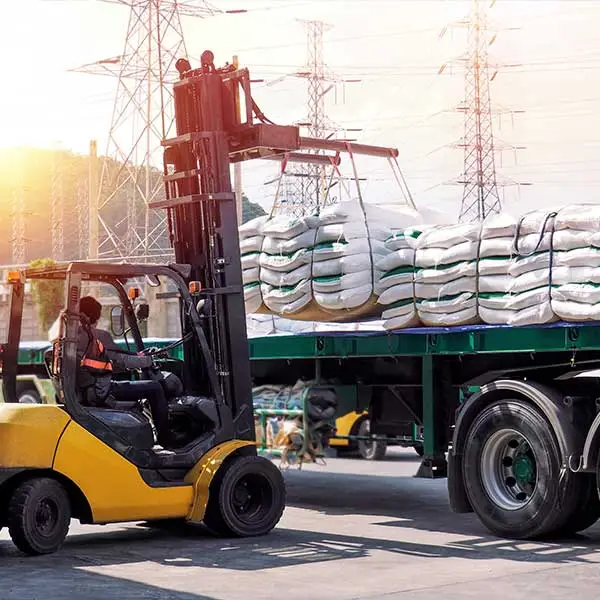
Full truckload shipping means your freight occupies the entire truck. The shipment moves directly from pickup to delivery without transfers or consolidation.
This results in faster transit times, fewer delays, and reduced handling, making FTL more reliable for large or time-sensitive shipments.
LTL vs FTL Shipping: Cost Comparison
Cost is the deciding factor for most businesses, but it is often misunderstood.
LTL pricing is calculated based on weight, freight class, distance, and additional services like liftgates or residential delivery. This makes pricing flexible but sometimes unpredictable.
FTL pricing is more straightforward. You pay a flat rate for the entire truck, regardless of how much space you use. While this seems higher upfront, it becomes more efficient as shipment size increases.
Cost Comparison Table
|
Factor |
LTL Freight |
FTL Freight |
|
Pricing Model |
Based on weight, class, and distance |
Flat rate per truck |
|
Cost Efficiency |
Best for small shipments |
Best for large shipments |
|
Cost per Unit |
Higher as volume increases |
Decreases with volume |
|
Additional Charges |
Common (liftgate, residential, fuel) |
Minimal |
|
Best Shipment Size |
1-6 pallets |
8-26 pallets |
|
Cost Predictability |
Variable |
More predictable |
Table Text: Cost Comparison of LTL vs FTL Shipping in Canada
Here’s how the comparison plays out:
This is where FTL vs LTL shipping cost comparison becomes strategic, not just operational.
Speed Comparison: FTL vs LTL Freight
Speed is where the difference between FTL vs LTL freight becomes clear.
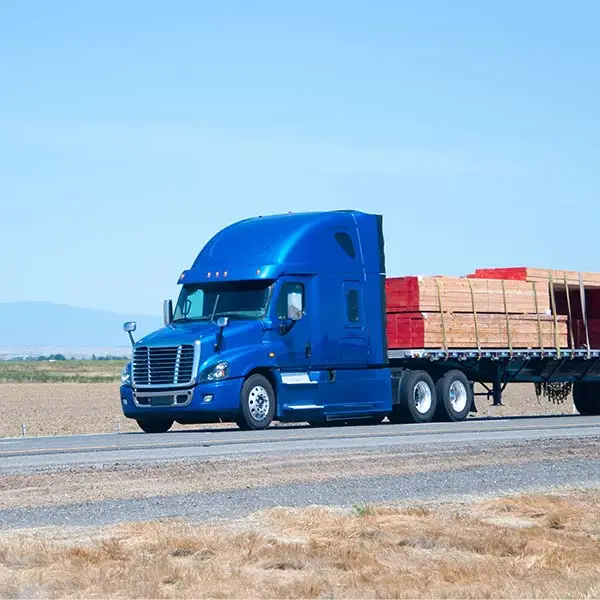
FTL shipments move directly from pickup to delivery without transfers. This results in faster transit times and more predictable schedules.
LTL shipments move through a network of terminals where freight is transferred and consolidated. Each stop adds time and increases the chance of delays.
|
Factor |
LTL Freight |
FTL Freight |
|
Transit Time |
3-7+ days |
1-3 days |
|
Routing |
Multiple stops |
Direct |
|
Delivery Window |
Estimated |
More predictable |
|
Delay Risk |
Higher |
Lower |
Typical differences:
Handling and Risk

Handling is one of the most overlooked cost factors. With FTL, freight is loaded once and unloaded once. This significantly reduces the risk of damage, loss, or delays.
With LTL freight, shipments are:
This increases exposure. Even well-packaged goods face a higher risk compared to FTL.
LTL vs FTL: Which One Should You Choose?
|
Factor |
FTL Shipping |
LTL Shipping |
|
Shipment Size |
Large |
Small |
|
Cost Structure |
Flat rate |
Variable pricing |
|
Speed |
Fast |
Slower |
|
Risk |
Low |
Higher |
|
Flexibility |
Low |
High |
|
Best Use Case |
Volume and urgency |
Cost and flexibility |
Table Text: Comparison of FTL and LTL Shipping Options
Use LTL when:
Use FTL when:
Choosing Between LTL, PTL, and FTL
LTL and FTL are not your only options. There is a middle ground that many businesses overlook.
Partial Truckload (PTL) sits between LTL and FTL. It allows you to share truck space with fewer shipments, reducing handling and shortening transit time compared to LTL, without paying for a full truck.
This makes PTL a practical option when your shipment is too large for LTL but not large enough to justify FTL.
Here’s how they compare:
- LTL → lowest cost, slower delivery, more handling
- PTL → balanced cost and speed, fewer transfers
- FTL → fastest transit, most control, minimal handling
PTL is often the right choice when you want better speed and reliability than LTL, without committing to the full cost of FTL.
Bottom Line
LTL freight reduces costs when shipment volume is low, and delivery timelines are flexible. FTL freight becomes more cost-efficient as volume increases, especially when speed, reliability, and minimal handling are priorities.
Need a clearer cost and transit strategy? Work with ET Transport to evaluate your lanes and get a tailored quote.
Frequently Asked Questions
1. When is a full truckload cheaper than LTL in Canada?
Full truckload becomes more cost-effective when your shipment reaches around 8-12 pallets. At that point, the per-unit cost of FTL falls below that of LTL.
2. What is the difference between LTL and FTL?
The difference lies in capacity and routing. LTL shares truck space and involves multiple stops, while FTL uses a dedicated truck with direct delivery.
3. How to choose between LTL and FTL freight in Canada?
Base your decision on shipment size, urgency, budget, and product type. Smaller, flexible shipments suit LTL, while larger or time-sensitive shipments require FTL.
4. When to use LTL vs FTL freight?
Use LTL for smaller, non-urgent shipments. Use FTL when you need faster delivery, better control, and reduced risk.
5. Is LTL shipping slower than FTL?
Yes. LTL freight shipments move through multiple terminals and routes, which increases transit time. FTL freight is faster because it goes directly from pickup to delivery.